In 1936, Jacques-Yves Cousteau was twenty-six years old and had a clear idea of his future. He was an officer in the French Navy and wanted to become a naval pilot. Flying meant adventure, exploration and the possibility of seeing the world from a perspective then reserved for very few people. But a serious car accident altered that path. His injuries were significant and his recovery was long. The future Cousteau had imagined for himself was no longer possible.
During his recovery, he began swimming frequently. What was initially a way of recovering his physical condition gradually became something else. Philippe Tailliez helped introduce him to diving, and Cousteau began experimenting with underwater goggles in the Mediterranean. Beneath the surface, he discovered a territory practically unknown to most people. Years later, together with engineer Émile Gagnan, he would develop the Aqua-Lung, one of the systems that made it possible to breathe autonomously underwater. Then came the Calypso, the expeditions, the films and a life devoted to exploring the oceans. The man who had wanted to conquer the sky found his path by descending to the bottom of the sea.
His story is particularly interesting because the accident did not suddenly reveal a hidden identity. It did something more complex: it broke the continuity between who Cousteau thought he was and who he imagined he would become. Something similar can happen to us when a profession ends, a project fails or a possibility we considered essential disappears. We build our identity around abilities, relationships, responsibilities and expectations. The risk appears when we confuse any of those descriptions with a definitive definition.
Humanity has been trying to understand this problem for millennia. In the Temple of Apollo at Delphi, the famous maxim gnōthi seautón could be read: know thyself. Socrates made the examination of one’s own life one of the foundations of his thought. Exploring our identity does not simply mean asking ourselves what we are like. It also requires asking ourselves why we believe we are that way. Some answers come from our experience; others may be stories we have repeated for so many years that we have stopped questioning them.
Psychology added new layers to that ancient question. William James distinguished between the “I,” the self that experiences, and the “Me,” the self that we can observe and describe. Erik Erikson showed that identity continues to reorganize itself as we move through different stages of life. And George Herbert Mead explained that we do not build it in isolation either: we learn to see ourselves through others and can end up incorporating their expectations into our own definition. Not all the labels we carry were chosen by us.
Hazel Markus introduced a particularly suggestive perspective through the concept of possible selves. Our identity is not made up only of the present. It also includes the people we imagine we could become, those we wish to become and even those we fear becoming. Cousteau had a very clearly defined possible self: the naval pilot. When the accident closed that path, he needed to make room for futures he was not yet capable of imagining.
Dan McAdams has studied another fundamental element: narrative identity. We organize memories, decisions and aspirations into stories that provide continuity to our existence. An event we experience as a failure can, years later, become the beginning of a transformation. A detour can end up looking like a discovery. The story we tell about ourselves influences the possibilities we can imagine for the next chapter.
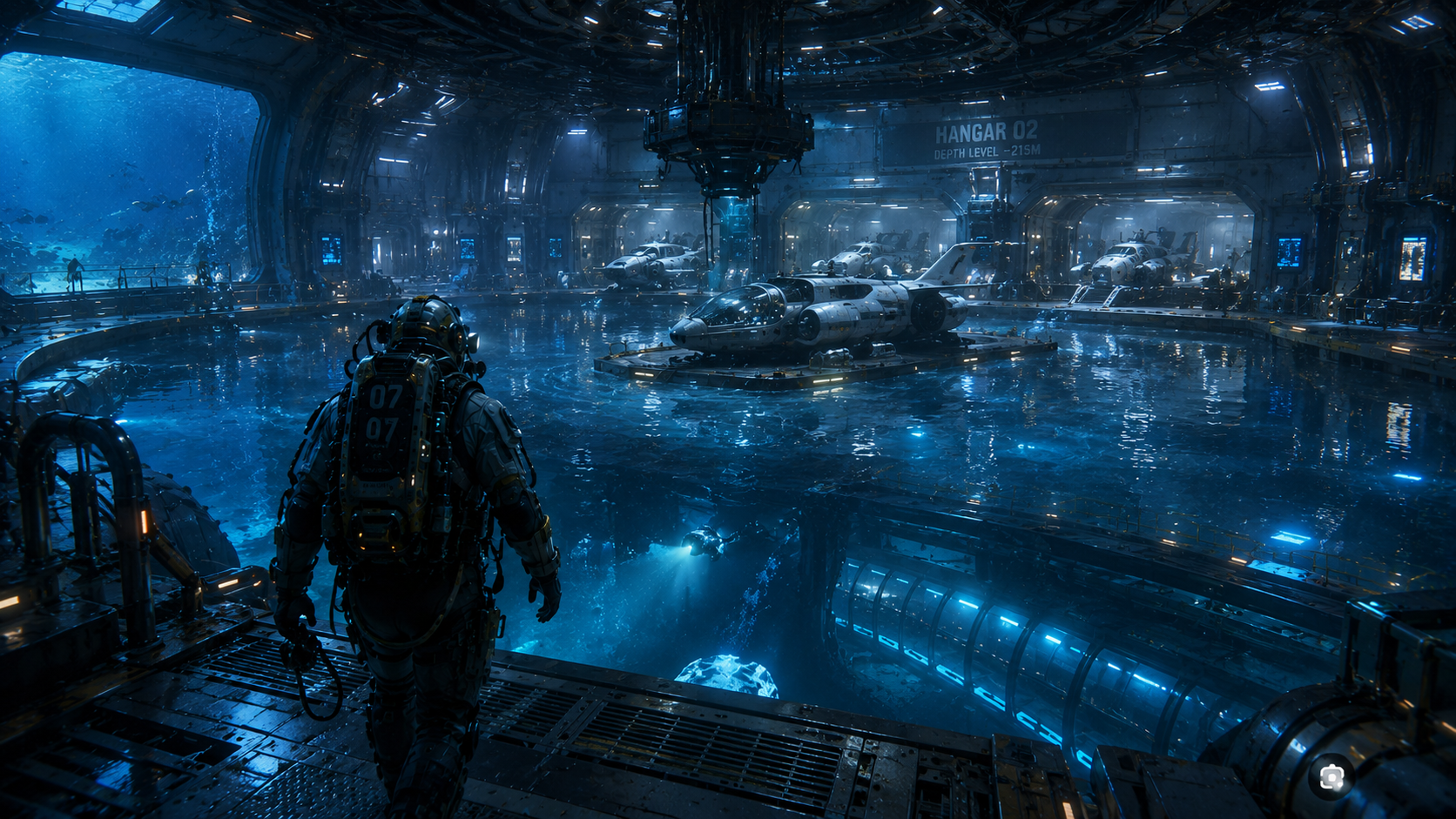
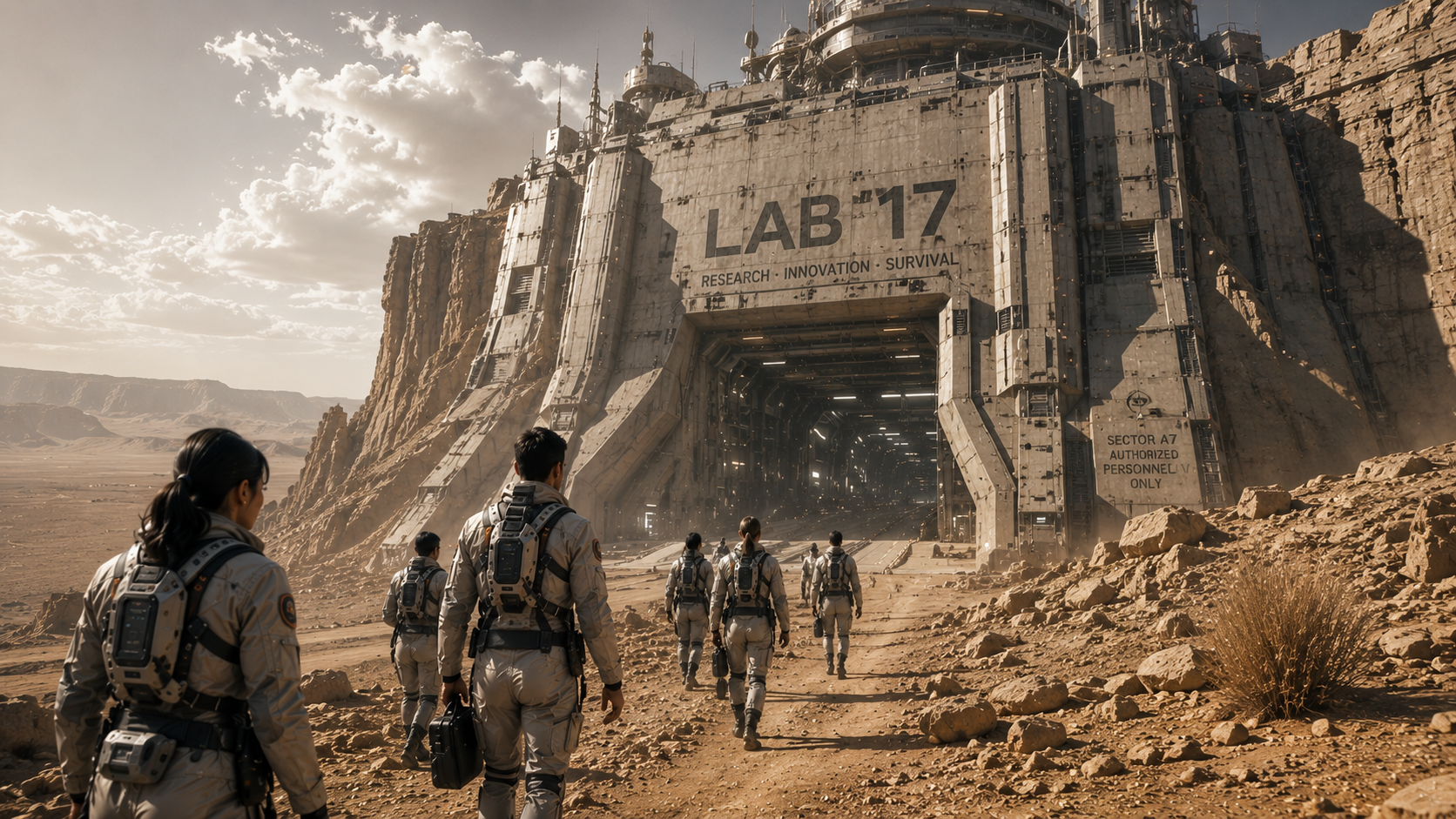
Perhaps that is why science fiction has been such fertile territory for exploring identity. It can alter the body, memory, environment or even reality itself, creating a kind of imaginary laboratory of identity. Jules Verne anticipated this in Twenty Thousand Leagues Under the Seas, where Captain Nemo abandons the world of the surface and builds a different existence aboard the Nautilus. In The Abyss, James Cameron takes his characters into the ocean depths, where confronting the unknown reveals human dimensions that are difficult to observe under ordinary conditions. And Moon, by Duncan Jones, raises an even more unsettling question: what happens when we discover that the story and memories upon which we have built our identity may not be what we believed them to be? Fiction changes the world around the character to ask us what remains when their usual points of reference disappear.
We do not need to live aboard the Nautilus, descend into an underwater facility or work alone on the Moon to experience something similar. It is enough to discover that a profession no longer represents us, that a secondary ability has become important or that an aspiration pursued for years has lost its meaning. A solid identity does not have to be an immovable identity. We need continuity, but also the ability to distinguish between what deserves to remain and what can evolve.
Exploring our identity therefore means asking ourselves some uncomfortable questions. Which aspects of myself have I really chosen? Which come from the expectations of others? Which version of myself do I continue to protect even though it no longer reflects my reality? Nor do the answers emerge solely through introspection. We get to know ourselves when we act, learn, create, relate to others and enter contexts where our usual roles stop working.
Cousteau offers an extraordinary metaphor because he did not discover his identity by contemplating himself: he explored it. He entered the water, learned new skills, experimented with technologies and descended into places he had never imagined making the centre of his existence. The accident closed one path, but curiosity allowed another to appear.
Our Inner Compass needs that same capacity for revision. Exploring your identity does not mean finding a perfect definition of yourself and protecting it forever. It means knowing yourself well enough to recognise what remains and staying open enough to discover what can still change. Cousteau wanted to see the world from the sky. When that possibility disappeared, he learned to look beneath the surface. Sometimes we find who we are by following the path we had chosen. At other times, we begin to discover it precisely when that path ceases to exist.