

WHEN NOBODY IS WATCHING
Doing the right thing matters more when nobody is looking
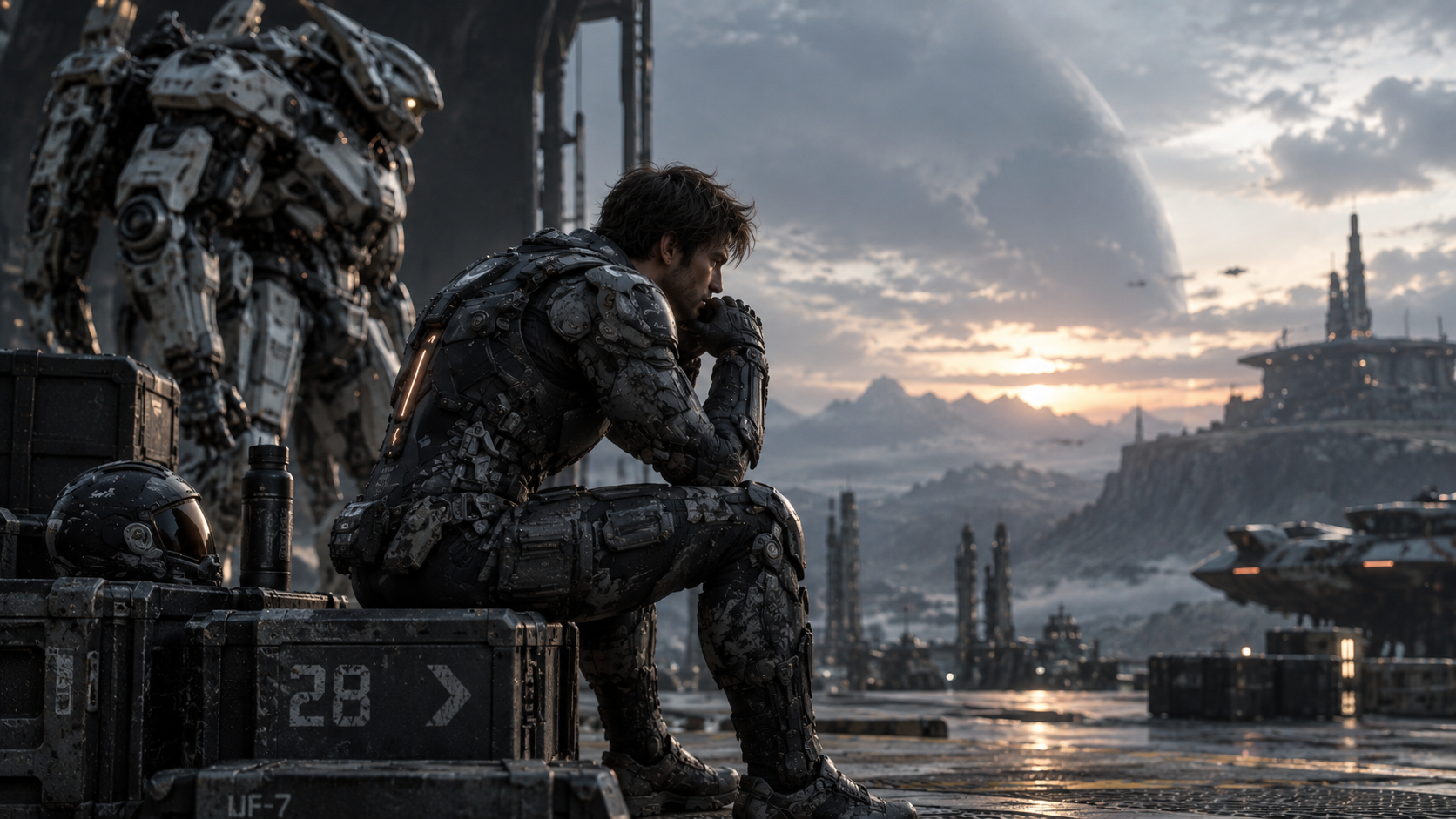
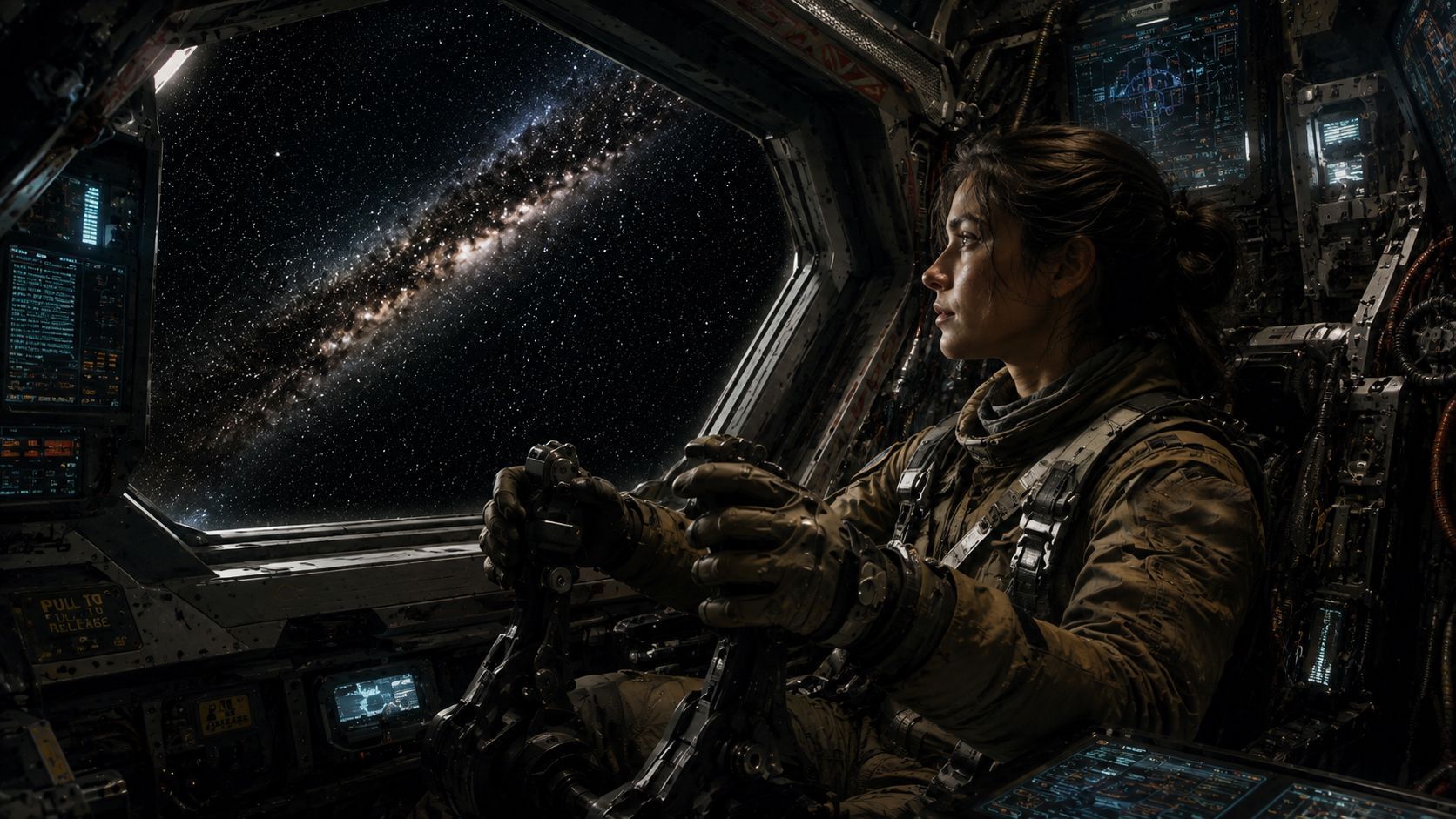
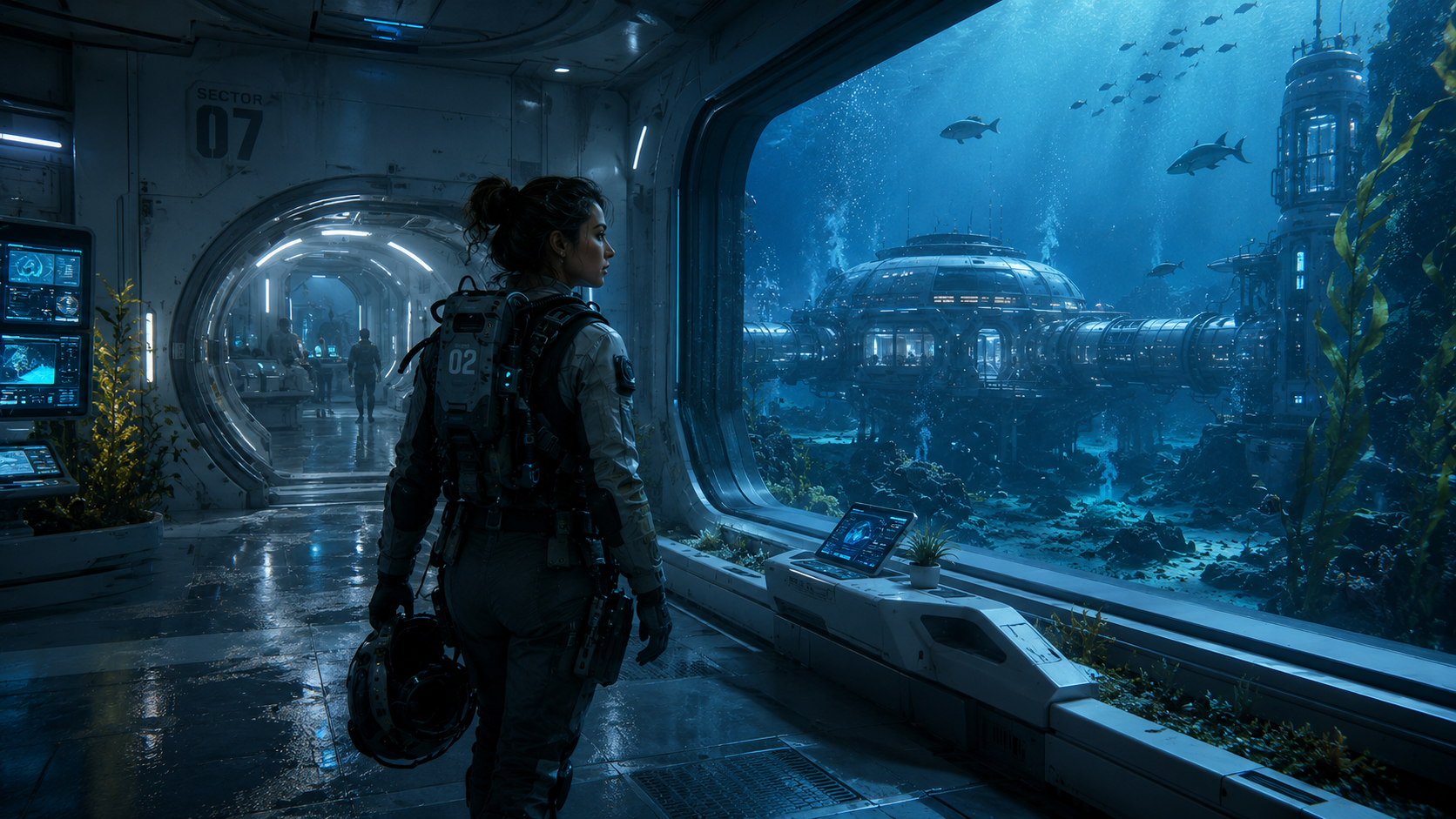
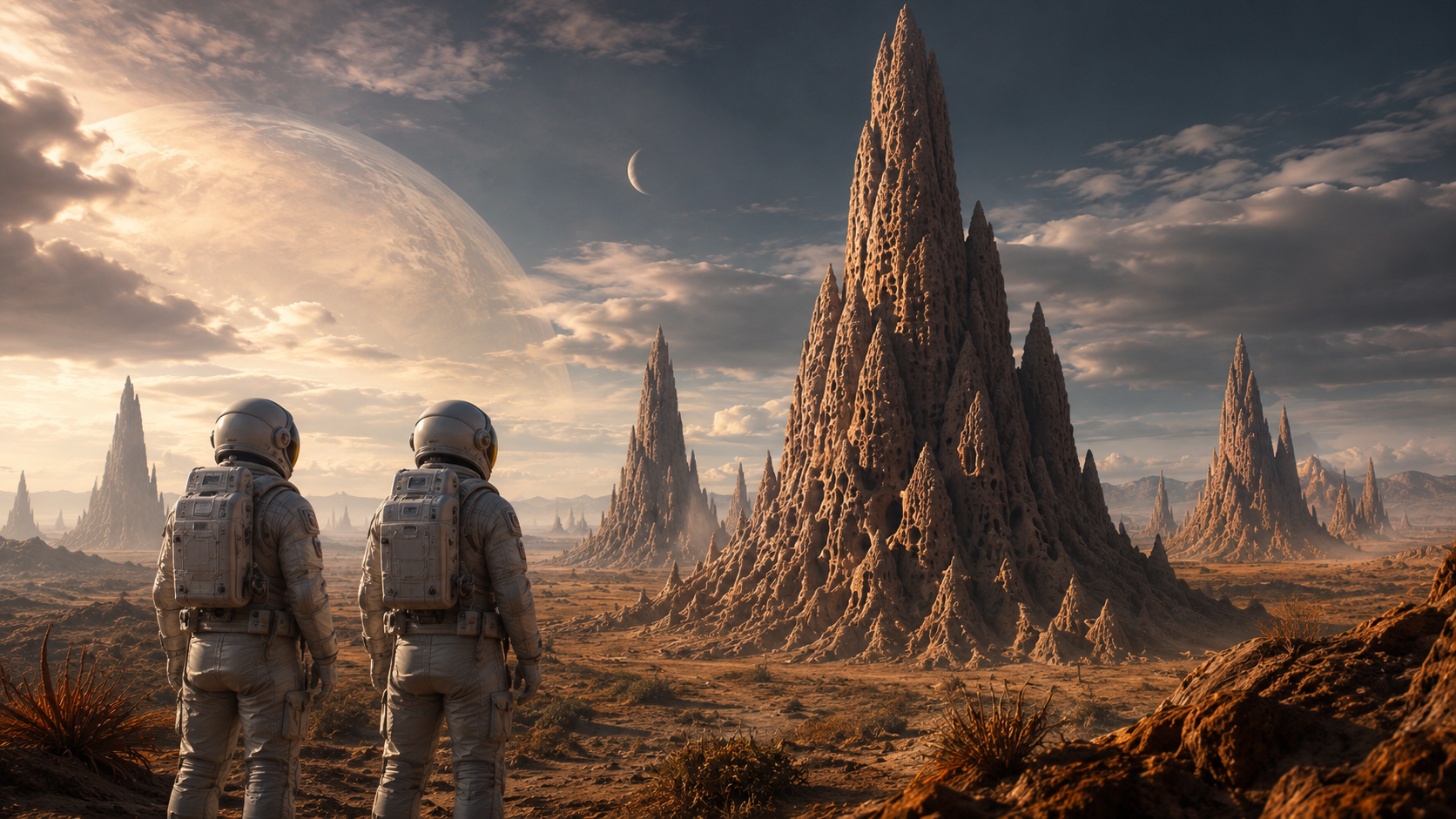
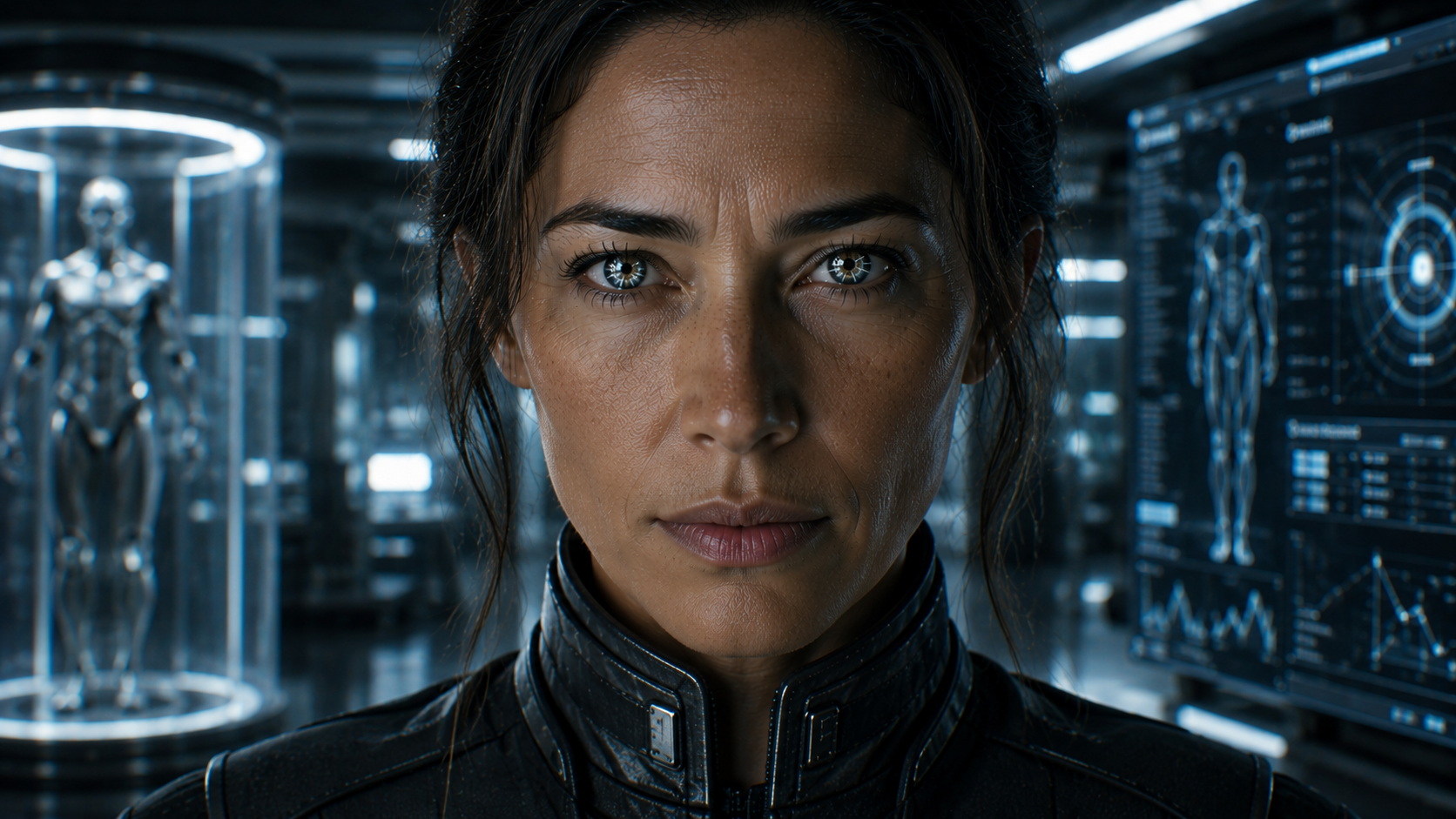
In many science fiction stories, humanity conquers galaxies, develops artificial intelligences, or builds technologies capable of transforming entire planets. Yet the most important questions are rarely technical. They are ethical. What we choose to protect. What we are willing to destroy. What we sacrifice in the name of progress. And above all, who we become while transforming the world around us.
In Silent Running, one of the most visionary ecological films ever made, Earth has already lost almost all plant life. The last forests survive inside giant domes drifting through space. Freeman Lowell, the protagonist, receives what appears to be a rational order; destroy them and continue commercial operations. The system no longer considers those ecosystems valuable. Preserving them is expensive, inefficient, and unproductive. But Lowell makes a different choice. He decides to protect what he still considers meaningful, even after the rest of the world has stopped seeing its value.
The film works because it is not really about trees. It is about something much deeper; the growing distance between technological capability and moral maturity. Humanity may develop extraordinarily sophisticated systems while simultaneously losing sensitivity toward the very conditions that make life possible.
Something similar appears decades later in Avatar. Pandora is not simply an exotic planet filled with spectacular creatures. It is an interconnected living system where nature, memory, energy, and consciousness form part of the same biological network.The central conflict of the film is not military. It is moral. A technologically advanced civilization arrives in an environment it only knows how to interpret as a resource to extract. The question is no longer how much can be taken, but whether we are still capable of recognizing value in something that cannot immediately be converted into economic profit.
A third fascinating example is Princess Mononoke. Rather than presenting perfect heroes and absolute villains, Hayao Miyazaki creates a world where nature, progress, survival, and ambition constantly collide. Nobody is entirely right. That is precisely why the story feels so powerful. Ethics rarely emerges in simple situations. It usually appears in gray zones where every decision carries consequences.
Although these stories take place aboard spaceships, alien worlds, or mythological forests, they are ultimately about deeply human and very real problems. All of them ask the same essential question; what happens when a society loses its ability to care for the systems that sustain life itself? And this is exactly where Wangari Maathai’s story stops feeling distant and becomes profoundly connected to our present.
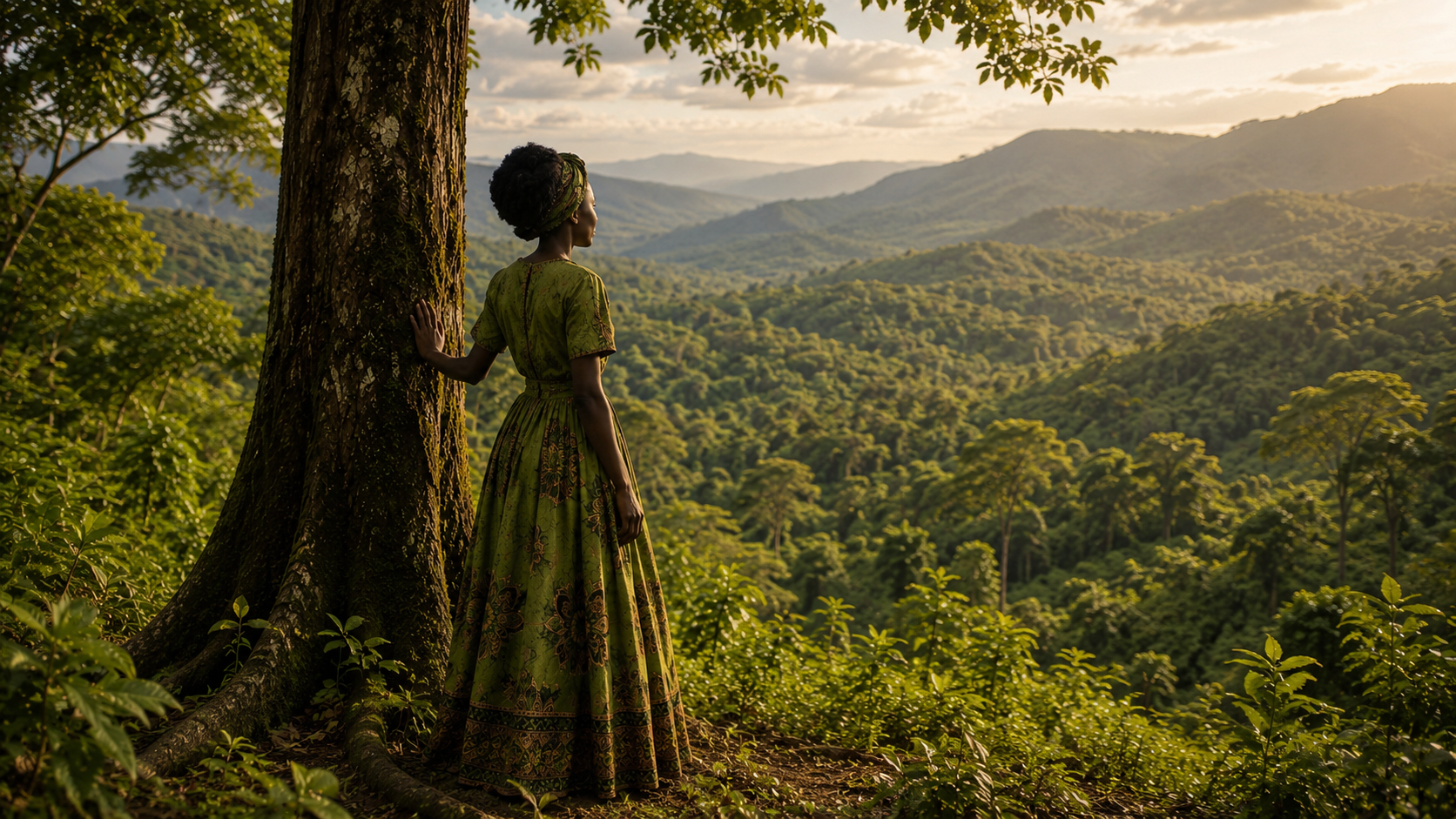
Wangari Maathai was born in 1940 into a humble Kikuyu farming family in the Kenyan highlands. During her childhood, rivers flowed clean, forests protected the fertility of the soil, and communities depended directly on the balance of the natural environment. But as she grew older, she began noticing small but accumulating changes. Trees disappeared, the land weakened, and many women had to walk increasingly longer distances to find water or firewood. What mattered was that Maathai understood something decisive; major collapses rarely begin as visible catastrophes. They begin as small fractures that society slowly normalizes.
Against many of the expectations imposed on women during her time, she gained access to higher education and eventually studied biology in the United States before returning to Kenya, becoming one of the first women in East Africa to earn a doctorate. Yet her greatest contribution was not purely academic. It was her ability to connect knowledge, responsibility, and action. In 1977, she founded the Green Belt Movement, an initiative that began by planting trees alongside rural women and eventually transformed millions of hectares and entire communities. Those trees represented far more than an ecological solution. They represented dignity, autonomy, and long-term stability.
Here we encounter one of the central ideas of contemporary ethics. For centuries, morality was largely understood as a system of rules separating right from wrong. Yet philosophers such as Immanuel Kant introduced a deeper question; there are limits that should never be crossed, even when crossing them appears efficient or profitable. For Kant, human beings should never become mere instruments serving external objectives. This idea gains enormous relevance in an era shaped by algorithms, automation, and systems capable of optimizing almost every aspect of human behaviour.
But ethics cannot be reduced to abstract rules alone. Carol Gilligan spent decades criticizing an excessively cold and rational understanding of morality, defending what became known as the ethics of care. From this perspective, human decisions always exist within relationships of dependence and interconnection. Care is not secondary. It is the invisible structure holding societies together. This connects deeply with Wangari Maathai’s work. Planting trees was never just an environmental action. It was about protecting the material conditions that allowed everyday human life to remain possible.
Something similar appears in the work of Emmanuel Levinas, who argued that ethics begins in the encounter with another human being. Before laws, systems, or ideologies, vulnerability itself creates moral responsibility. Often, we recognize injustice long before we are capable of fully explaining it intellectually. The problem is that modern societies develop increasingly sophisticated ways of creating emotional distance from the consequences of our decisions.
Technology intensifies this challenge even further. Today, people participate indirectly in enormously complex systems without immediately perceiving their human or ecological consequences. This is why the work of Martha Nussbaum becomes so important. She argued that a just society cannot limit itself to guaranteeing material survival. It must also create real conditions for the development of human capabilities; education, dignity, participation, health, and security. Ethics therefore shifts away from simply asking what is permitted and moves toward a much more important question; what kind of lives are we making possible?
This moral expansion also appears in Aldo Leopold’s concept of a land ethic. Human beings stop seeing themselves as separate from nature and begin understanding themselves as part of a much larger biological community. This perspective introduces a particularly important form of humility. We still understand very little about the complexity of many living systems and the different forms of sensitivity, intelligence, or consciousness that may exist in other species. Perhaps one of the highest forms of intelligence is not the ability to dominate the environment completely, but the ability to recognize how much we still do not understand about it.
Yet ethics is rarely tested in public speeches. It’s true territory lies in small everyday decisions. Václav Havel described this powerfully when speaking about “living in truth.” Many unjust systems survive not only because of coercion, but because millions of people accept small daily moral compromises to avoid discomfort, conflict, or personal cost.
That is why integrity is so difficult. Because usually nobody directly forces us to abandon our principles. It simply becomes easier to ignore them.
Ultimately, Wangari Maathai’s story reminds us of something essential for our time; ethics is not a decorative idea added after progress has already happened. It is precisely what determines where that progress leads. Planting a tree may seem like a small gesture in front of enormous global problems. Yet it can also become a profound statement about the kind of future we choose to build.
The inner compass does not eliminate complexity or guarantee perfect answers. But it does allow us to ask one decisive question before acting; what kind of reality are our decisions strengthening when nobody is watching?