

EMBRACE UNCERTAINTY
When the map no longer describes the world
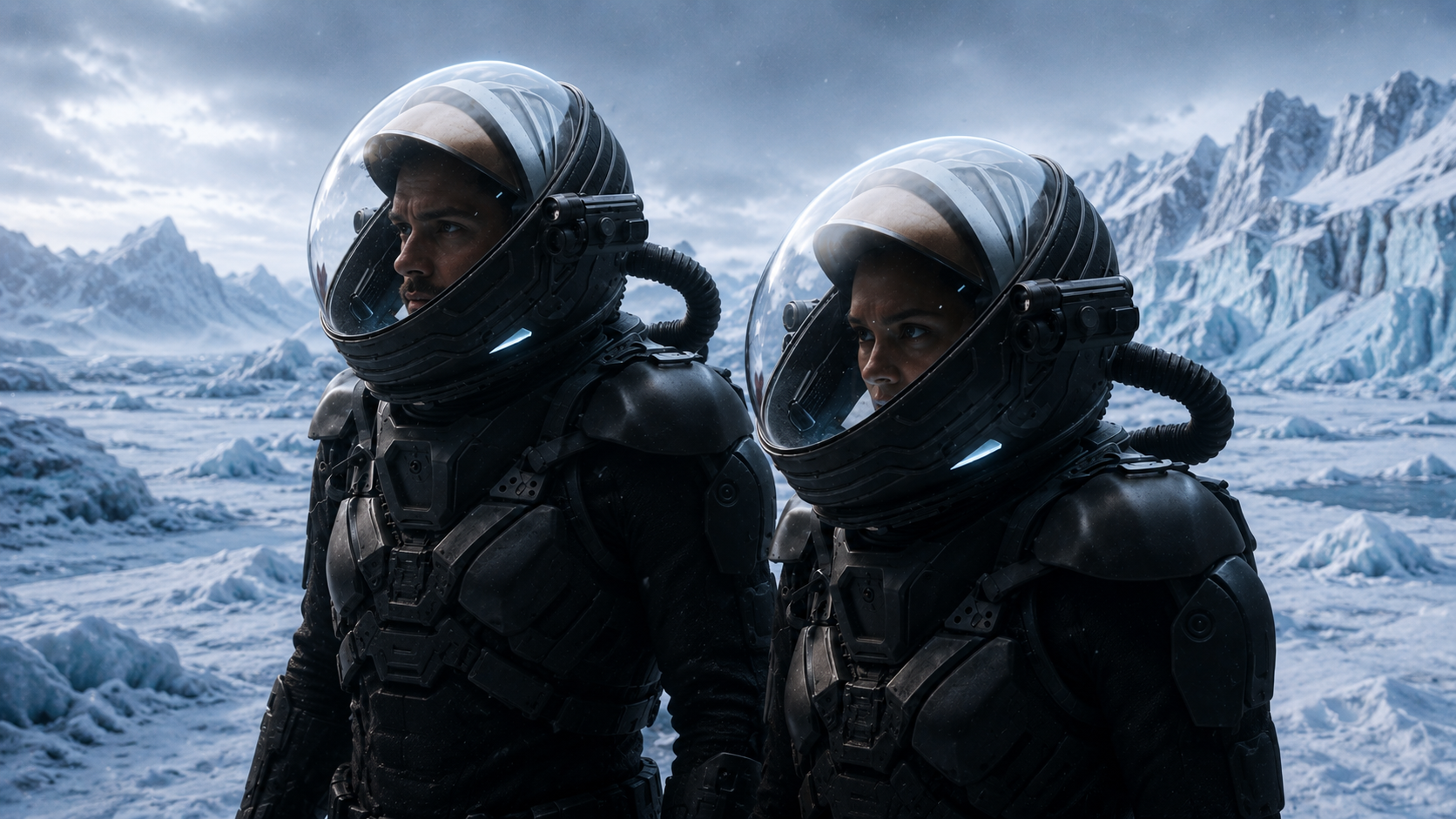
The ice did not arrive all at once. It was not an explosion or a sudden storm capable of explaining disaster through a single dramatic image. It was more unsettling than that. Slowly, almost silently, the sea began to harden around the Endurance. The pressure increased little by little until the ship’s structure started to bend. The wood cracked under a force impossible to stop. Thousands of kilometres away from any possible rescue, surrounded by one of the most hostile environments on Earth, the men of Ernest Shackleton realized that the expedition was no longer the one they had imagined when they departed. The original objective — crossing Antarctica — had lost its meaning. The environment had changed too radically. And when the environment changes in a fundamental way, continuing to defend the original plan can become the most dangerous form of denial.
Here lies one of the most difficult lessons to accept in both professional and personal life. Many people believe strength means staying the course no matter what. Yet there are moments when insisting on the same path is not perseverance, but an inability to recognize that reality no longer matches our expectations. Shackleton understood this before many of his contemporaries. He did not confuse purpose with rigidity. The visible mission disappeared, but another, more important one emerged; bringing everyone home alive.
That distinction seems simple when viewed from a distance, yet it becomes extraordinarily difficult in real time. Human beings need narrative stability. We want to believe the future can be organized, planned and controlled if we gather enough information. For decades, much of business and technological culture reinforced that assumption. Strategies, forecasts, metrics, roadmaps and scenario planning. All of these remain useful — but only to a certain extent. There are environments where the problem is not a lack of planning, but the fact that reality changes faster than the models designed to interpret it.
At this point, a classic distinction developed by Frank Knight in the early twentieth century becomes strikingly relevant. Knight separated risk from uncertainty. Risk can be estimated because we understand, at least partially, the probabilities of different outcomes. Deep uncertainty is something else entirely. It emerges when we do not even know which variables will ultimately matter or which scenarios may appear. In those territories, traditional tools begin to lose precision. The challenge is no longer simply calculating better but recognizing that not everything can be calculated.
This tension between map and reality appears repeatedly in the world of science fiction. And it is not accidental that we look toward that genre when trying to think about the future. Science fiction is not valuable merely because it imagines advanced technologies, space travel or artificial intelligence. Its deeper importance lies elsewhere; it functions as a narrative laboratory for exploring how human beings react when their models stop working. Before certain transformations emerge, they often appear first as cultural questions within fiction.
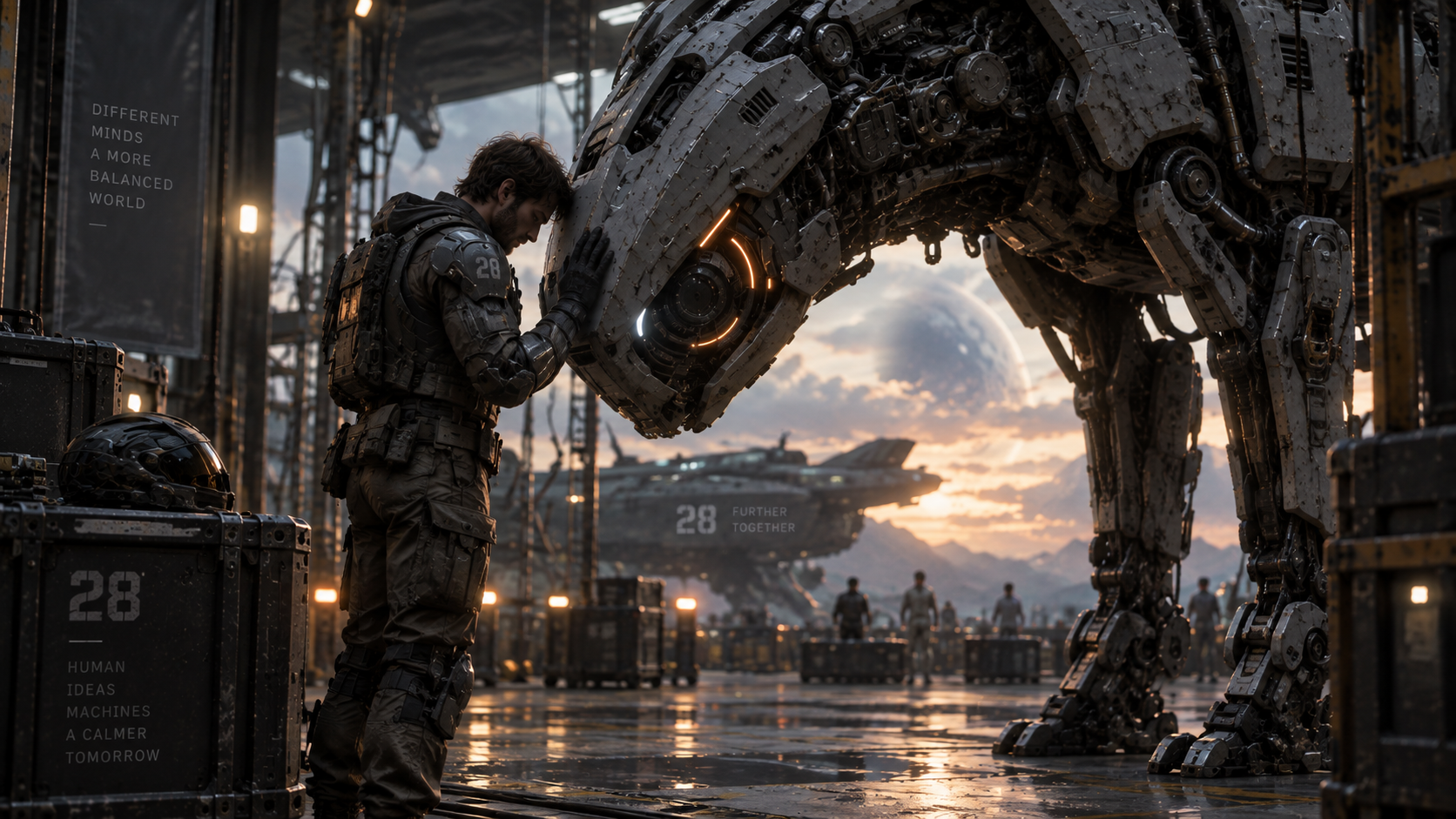
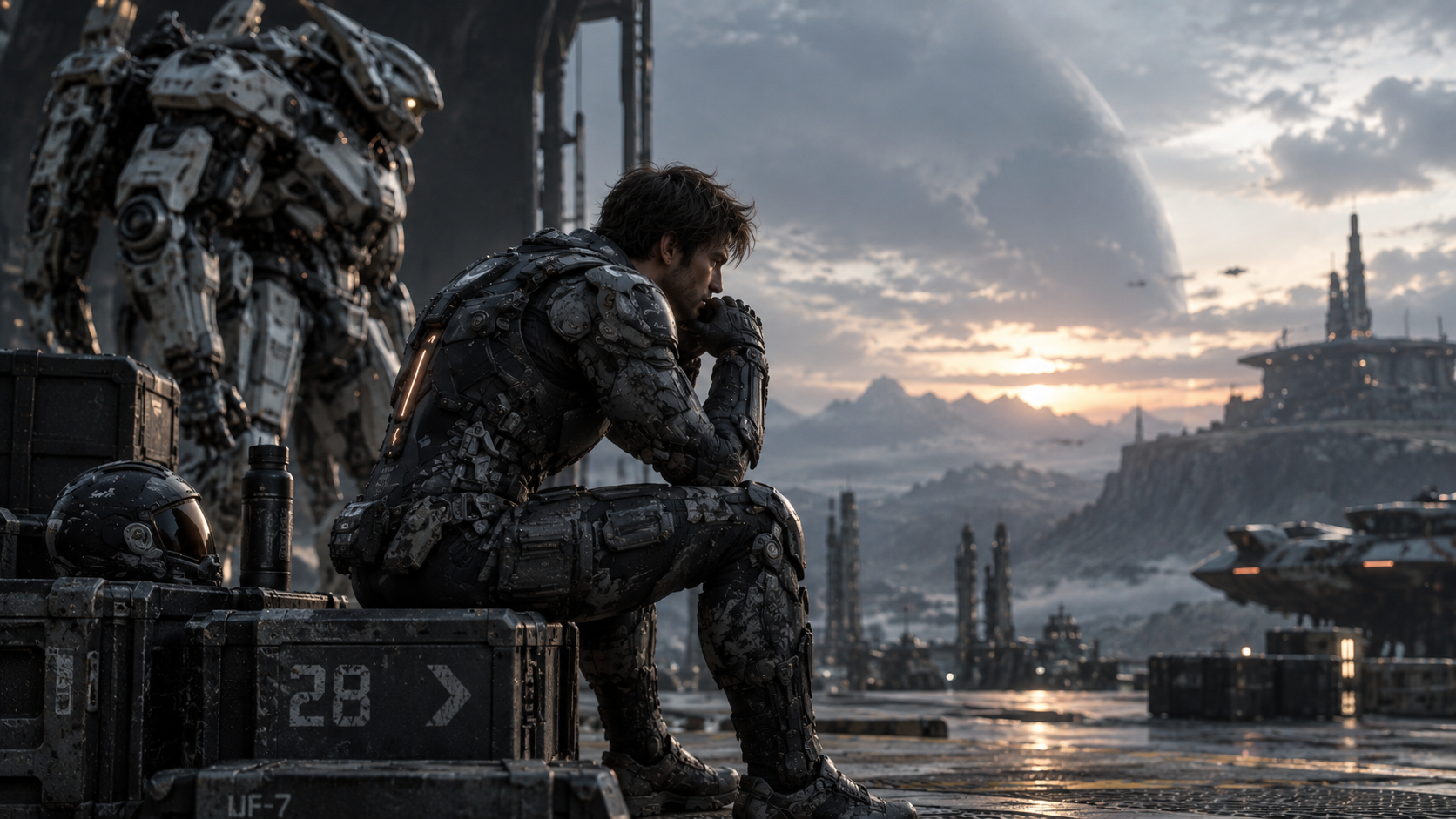
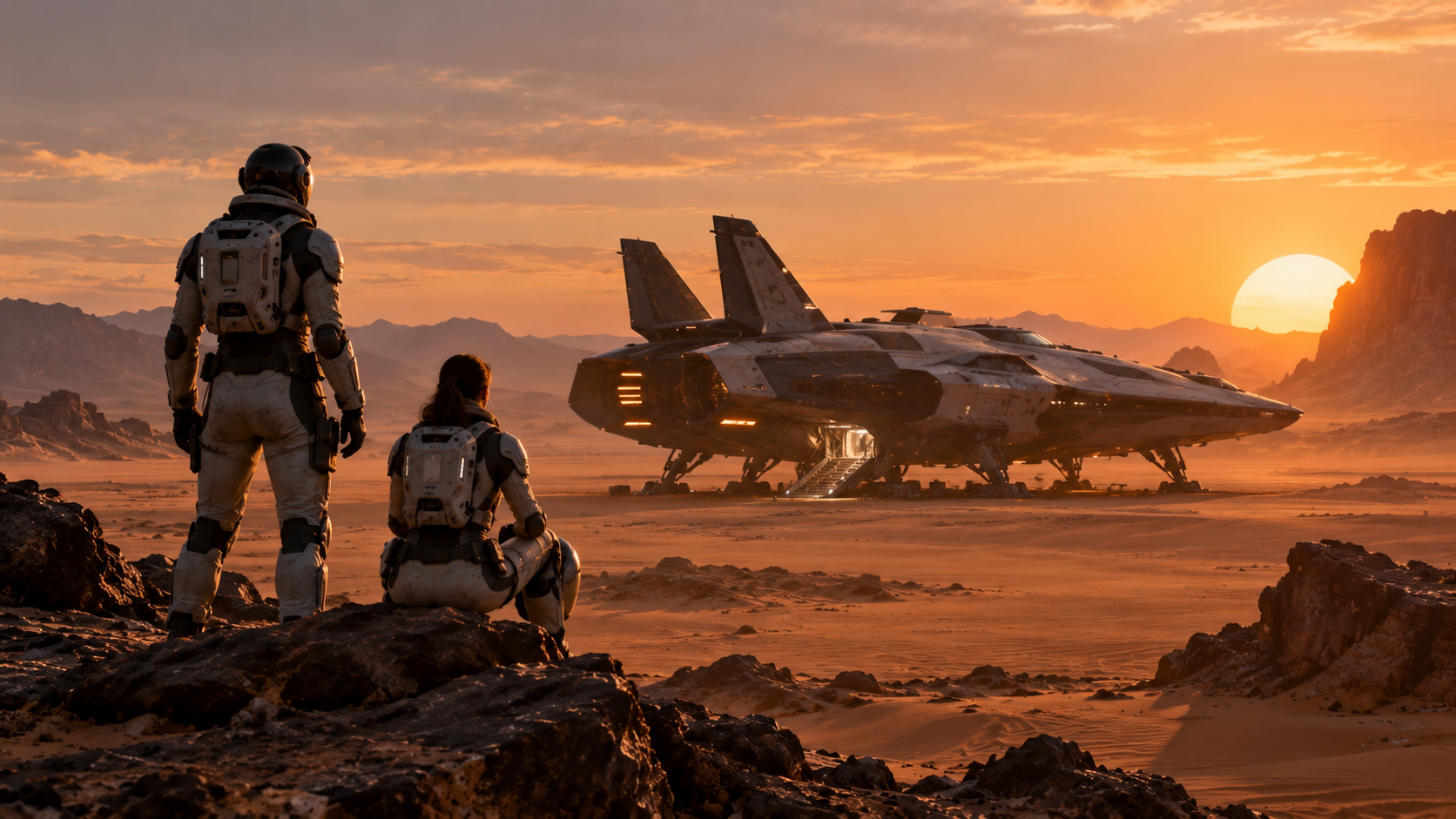
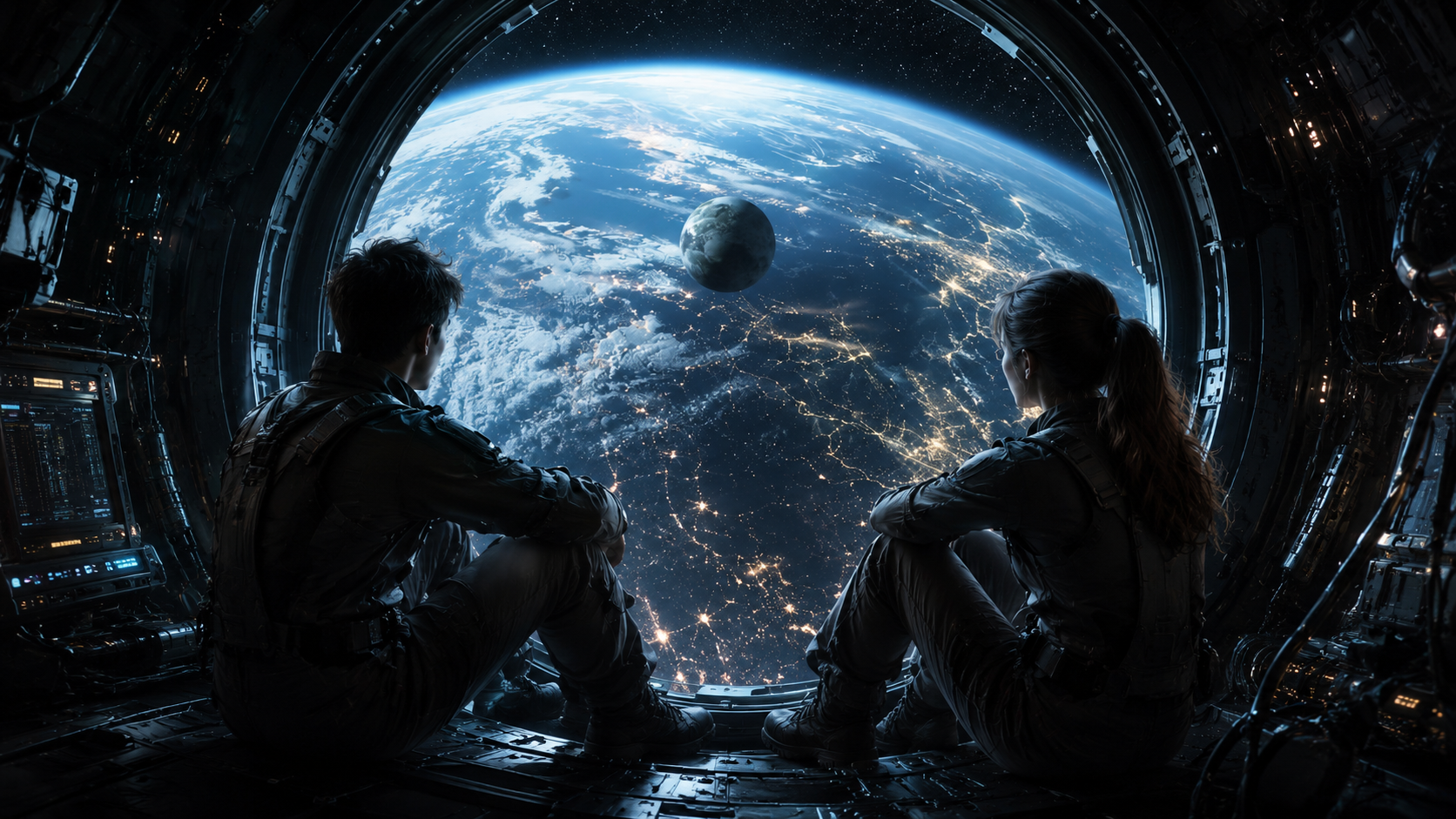
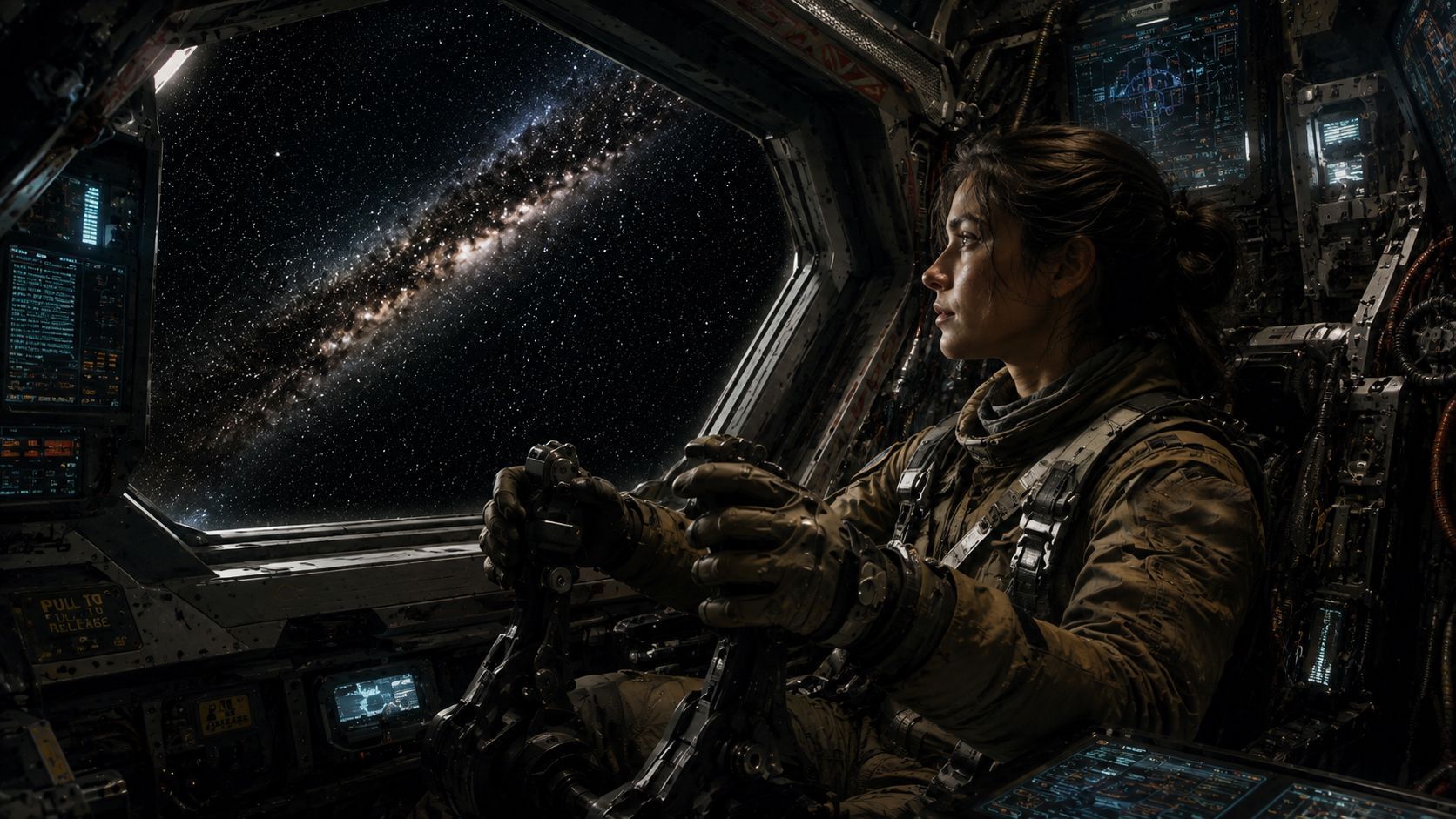
Films like Interstellar or Pandorum share precisely this logic. Their characters move through environments where references become unstable, the context becomes increasingly difficult to interpret, and the original plan slowly loses meaning. The problem is not merely technological or spatial. It is cognitive and human; how to preserve orientation, cooperation and decision-making capacity when no reliable map remains.
The connection to Shackleton is surprisingly strong. In Antarctica, the ice destroys the physical map. In much of contemporary science fiction, what collapses is the mental map through which characters interpret reality. In both cases, the same fundamental question emerges; what do we do when the environment changes faster than our ability to understand it?
The story of the Endurance demonstrates exactly this. Once the ship became trapped, the expedition stopped operating within a relatively predictable environment. From that moment onward, survival depended on a different capability; continuous adaptation without losing cohesion. Shackleton reorganized priorities redistributed roles and sustained morale for months under extreme conditions. He understood something essential; when the environment becomes uncertain, leadership is no longer only about directing actions, but also about preserving meaning.
This is where the concept of sensemaking, developed by Karl Weick, becomes especially relevant. People do not respond only to objective facts; they respond to the interpretation they construct around those facts. In relatively stable contexts, this often goes unnoticed because the rules appear clear and shared. But when environments change abruptly, existing narratives stop explaining reality adequately. Uncertainty is not simply the absence of information. It is the loss of meaning.
This is why many organizations fail during moments of deep transformation. Not because they lack intelligence or resources, but because they continue interpreting the present through categories designed for a different context. Thomas Kuhn described something similar in his work on scientific paradigm shifts. For long periods, models function reasonably well. But eventually anomalies accumulate and the old framework stops describing reality correctly. At that point, continuing to apply the same answers can worsen the problem.
The difficulty is that accepting this shift creates enormous psychological discomfort. Human beings prefer the feeling of control, even when that control is partially illusory. This is why activity is often confused with direction. More meetings, more reports, more forecasts and more analysis are produced under the assumption that uncertainty will automatically decrease. Yet there are situations where the real challenge is not generating more information but developing adaptive capacity.
This idea connects with the work of Donald Schön, who described how professionals operate in ambiguous environments through what he called “reflection-in-action.” They do not wait for complete certainty before acting. They observe, intervene, interpret the effects and continuously adjust their behaviour. They navigate while learning. The logic resembles a polar expedition far more than the mechanical execution of a closed procedure.
A similar perspective appears in the complexity framework developed by David Snowden. Some environments are simple and allow known solutions to be applied directly. Others are complicated and require technical expertise. But there are also complex and chaotic environments where the relationship between cause and effect can only be understood partially and often only after action has been taken. The Endurance expedition moved through both territories. First came chaos; the trapped ship, the ice crushing the structure, the collapse of the original plan. Then came complexity; deciding when to move, how to preserve energy, how to maintain morale and how to prevent fear from disorganizing the group completely.
What matters here is understanding that embracing uncertainty does not mean improvising carelessly. It means developing a different relationship with control. It means recognizing that some contexts require flexibility, continuous learning and the ability to reinterpret reality. It also requires distinguishing between purpose and plan. Purpose can remain stable even while paths change radically.
This distinction is becoming increasingly important today. We live in an era shaped by technological acceleration, artificial intelligence, automation, geopolitical shifts and the continuous transformation of entire industries. Many people still attempt to operate using a logic inherited from relatively stable environments; study once, define a fixed path and follow it for decades. Yet the contemporary world increasingly resembles navigation across moving ice. Maps age faster. References change more rapidly. And models remain reliable for shorter periods of time.
In that environment, the most important capability may not be predicting the future precisely but maintaining orientation when the future becomes difficult to read. Modern resilience is not simply about resisting shocks. It is about reorganizing without losing internal coherence. That is why Shackleton’s story remains so powerful more than a century later.
The Endurance never crossed Antarctica. From the perspective of the original mission, the expedition failed. Yet every man survived. And that transforms the meaning of the story completely. Shackleton’s leadership is remembered not because he achieved the original objective, but because he recognized the exact moment when continuing to defend the old plan would have destroyed the group.
Uncertainty rarely announces itself clearly. It usually appears first as small cracks in models that once seemed solid. A signal that no longer fits. A forecast that stops working. An environment that begins moving faster than our mental categories. In those moments, the difference is rarely who possesses more certainty, but who retains enough clarity to recognize that the map no longer describes the territory.
And perhaps that is one of the most important skills of the twenty-first century. Not eliminating uncertainty — because that is impossible — but learning how to navigate through it without losing direction, meaning or the ability to adapt.